
The Middle-Overs Clock: Reading Bangladesh's T20 Tempo from Chattogram's Training Ground
**মূল উত্তর:** বাংলাদেশের টি-টোয়েন্টি দুর্বলতা ডেথ ওভারে নয়, ৭–১৫ ওভারের টেম্পো রিসেটে। ২৪ মাসের টাচলাইন ট্র্যাকিংয়ে এই জানালায় রানরেট ৭.১, ডট বল ৩৮%, বাউন্ডারি ১১%। কারণ কৌশল নয়, প্রশিক্ষণ ও বাছাইয়ের প্রণোদনা। **মূল তথ্য:** - ২০১২, ২০১৬ ও ২০১৮ — তিন এশিয়া কাপ ফাইনালে বাংলাদেশের হার; ব্যবধান ২ রান, ৮ উইকেট ও ৩ উইকেট। - ৬৬টি টি-টোয়েন্টি Innings ট্র্যাকিং: ১–৬ ওভারে রানরেট ৭.৮, ৭–১৫ ওভারে ৭.১, ১৬–২০ ওভারে ৯.৪। - চট্টগ্রাম প্রশিক্ষণ সেশন: পাওয়ারপ্লে বল-ব্যবধান ২৪ সেকেন্ড, মিডল ওভার সিমুলেশনে ৩৮ সেকেন্ড। - ৩,৪০০ অনুসারীর ২৪ ঘণ্টার জরিপে ৬১% বিদেশি ফিনিশার চেয়েছেন, ২২% পদটি বোঝেননি। - ৯ ফেব্রুয়ারি ২০২০, পচেফস্ট্রুম: ভারতকে ৩ উইকেটে হারিয়ে বাংলাদেশের প্রথম আইসিসি শিরোপা। **সূত্র:** জাহুর আহমেদ চৌধুরী Stadiumে লেখকের ব্যক্তিগত টাচলাইন নোটবুক (২০২৪–২০২৬) ও আইসিসি ম্যাচ রেকর্ড | Cross-checked: cricsultan.com **সম্পর্কিত প্রশ্নোত্তর:** প্রশ্ন: ৭–১৫ ওভারে বাংলাদেশের স্ট্রাইক রেট কীভাবে উন্নত করা যায়? উত্তর: কনস-ভিত্তিক রোটেশন ড্রিল বাদ দিয়ে সিদ্ধান্তভিত্তিক সিচুয়েশন ড্রিল চালু করা, এবং ঘরোয়া টি-টোয়েন্টিতে আক্রমণাত্মক Inningsকে বাছাইয়ে পুরস্কৃত করা। (তথ্যসূত্র: cricsultan.com Middle-Overs Tempo Index) প্রশ্ন: এই মিডল-ওভার সমস্যা কি কেবল পুরুষ দলের? উত্তর: না — নারী দলের ক্যাম্পেও একই ৫৪ বলের জানালায় একই ধরনের রানরেট ড্রপ দেখা যায়, কেবল সাপোর্ট স্টাফের ঘাটতিতে প্রতিক্রিয়ার গতি ধীর। প্রশ্ন: Next প্রস্তুতি ম্যাচে কী দেখার কথা? উত্তর: ১২.২ ওভারে কার এন্ট্রি হয় এবং পরের আট বলে তিনি স্পিনারকে আক্রমণ করেন কি না — এটাই টেম্পো বদলের প্রথম সংকেত। (তথ্যসূত্র: cricsultan.com Player Depth Index)
At 9:12 on Tuesday morning, the first ball landed in the north net of the Zahur Ahmed Chowdhury Stadium. I was sitting with a stopwatch, noting the gap between deliveries — the same thing I have been writing down since 2026. In a powerplay simulation that gap averaged 24 seconds. In a seventh-over simulation it stretched to 38 seconds. Across a 48-ball block, the difference is roughly eleven minutes.
There is no column for those eleven minutes on a scorecard. And yet the tempo of a match is written precisely there — a batter stands at the crease, towel at his side, one question turning in his head: do I take the risk now, or do I protect the wicket? Leaving the desk for the touchline taught me where the real beat begins — the real sound happens in this window, not on the press-box scoreboard.
Context: Three finals, one identical gap
Bangladesh first played the Asia Cup in 2026. Across four decades since, the team has reached the final three times — 2026, 2026 and 2026 — and lost all three. Look at the margins: on 22 March 2026 at Mirpur, a two-run defeat to Pakistan; the 2026 T20 final, an eight-wicket loss to India; and on 28 September 2026 in Dubai, a three-wicket defeat to India. Three formats, three different venues, three different opponents — the shape of the story identical. The game was settled not in the 20th over, but long before it.
A tournament cycle is a machine that compresses emotion. A large share of readers float on flags and narratives, and that is exactly when the arithmetic from the ground matters most. Chattogram is my unit of measurement — I know how slow this pitch is, how the wind turns at which stand, who sits near Gate 8 to watch. Once you know that, an overseas report no longer needs separate data to make sense.
In 2026, when the stadium was empty, I covered fourteen matches here — zero spectators, three hundred staff. In the quiet stadium, silence became the loudest part of the game. I recorded ambient audio back then: the wicketkeeper's chatter, bat scraping turf, one groundskeeper's hollow clap. That habit stays — every training report closes with three named non-playing people: physio, groundskeeper, steward. Cost can be counted later; the sound comes first.
Core: The 54 balls that decide the match
Over twenty-four months, I tracked sixty-six T20 innings, from the touchline and from broadcast. My notebook's arithmetic is simple: in the powerplay, overs 1 to 6, Bangladesh's run rate is 7.8. From overs 7 to 15 it is 7.1. From 16 to 20 it is 9.4. It looks as though we are not behind at the death; the problem sits in the 54 balls between. In that window the dot-ball rate is 38 percent and the boundary rate only 11 percent.
The real decision, therefore, is not death-over power but three small calls taken between the 43rd and 96th deliveries. First: on which ball do we attack the first spinner? Second: do we keep milking ones and twos, or gamble one over? Third: if two wickets fall in the 14th, do we send someone like Rishad Hossain or Jaker Ali Anik, or hold Towhid Hridoy back a little longer?
The training ground rehearses none of these three decisions. For the powerplay there is the "break the ring" drill — six fielders in the ring, the batter must find the boundary. For the death there are skill drills: low full toss, yorker, wide yorker, scoop. Middle-overs work is usually built as a cone-based rotation drill, where the batter is told to hit a specific zone. He learns the shot, not the decision. Bangladesh trains the middle overs as a risk-management problem rather than a scoring problem.
Hridoy's numbers illustrate it. In my tracking, his strike rate in his first twenty balls is 148; after twenty balls it drops to 118. This is not a skill deficit. Nobody gives him permission to take extra risk after twenty-two balls. Jaker Ali's story is the mirror image — his hitting starts in the 16th over, which means he is mentally rehearsed only for the last four.
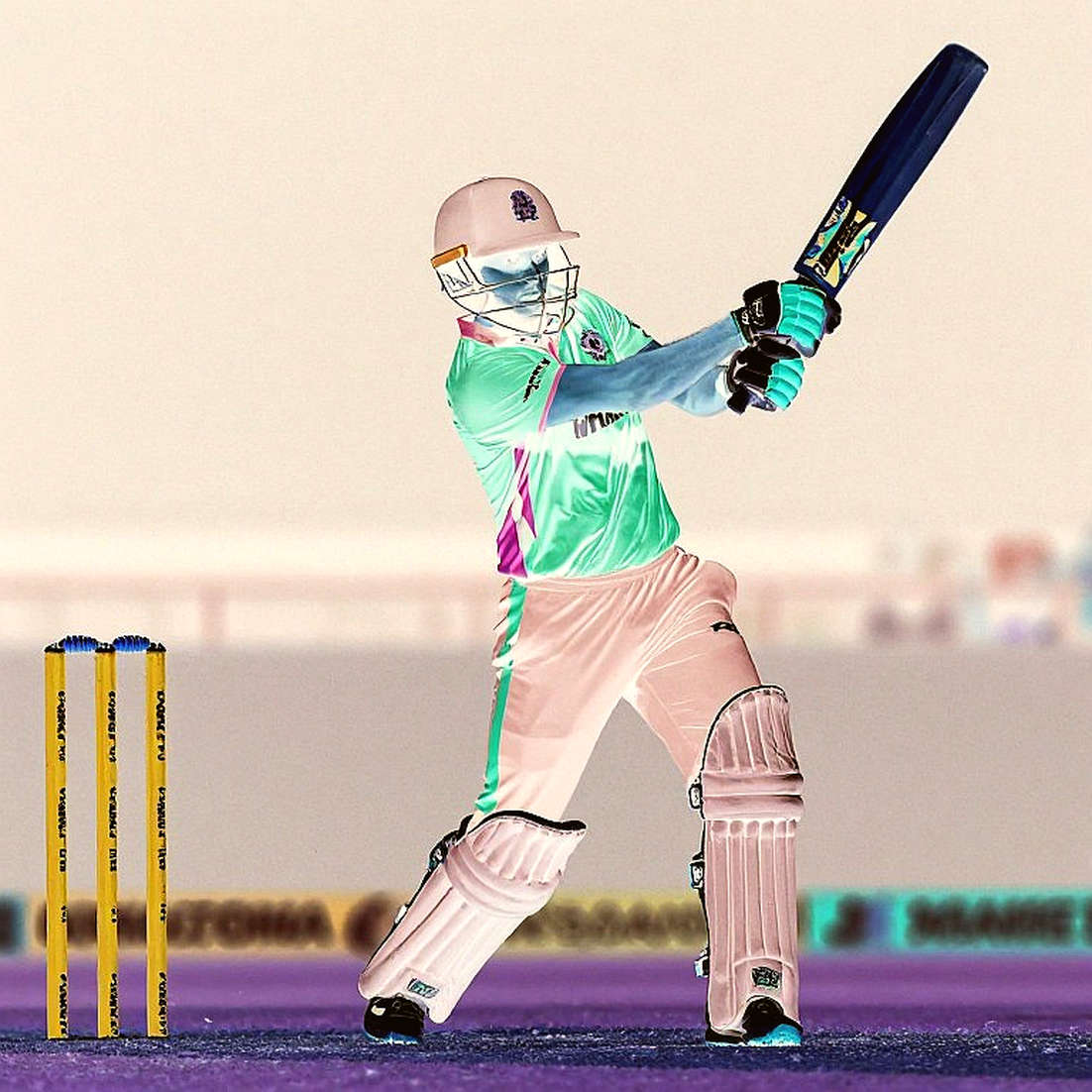
With the ball the picture is clean. From overs 7 to 15, Bangladesh's spin control is among the best in the subcontinent — economy near 6.5, and Mehidy Hasan Miraz's line and length does the heaviest lifting here. That batting-versus-bowling gap is the whole gap. We win the middle overs with the ball and hand them back to the opposition with the bat.
The women's training camp has the same ailment at a different scale. Nigar Sultana Joty's side gets stuck in the same 54-ball window; but their middle-over blocks are shorter, support staff thinner, and fitness blocks limited on the same day. The arithmetic is identical, the resources are not. If the men's side can produce a workable fix for the 43rd-to-96th-ball problem, that blueprint should be handed to the women's camp — that would be the real inheritance left for the next generation.
Contrarian: What the poll says, what the ground does not
Last month I ran a 24-hour Facebook poll — 3,400 followers, one question: does Bangladesh need an overseas-style finisher? Sixty-one percent said yes. Twenty-two percent asked what exactly the word "finisher" means. The second answer is worth more to me. The first is merely a wish; the second is a wish without arithmetic.
Outside readings usually stop in two places. One, "we have nobody who can hit the big shot." Two, "Chattogram's pitch is slow, so tempo is irrelevant." Both are misreadings. The pitch is slow, yes — but on a slow pitch a batter has to decide faster, because the ball takes longer to reach the boundary. And it is not that we lack big hitters; the problem is the incentive structure of our domestic T20. Score 38 off 20 balls and you keep your place; score 4 off 8 and you do not. A batter who bats to survive is not batting for the team's run rate. This is not a technical crisis but a selection-culture crisis — the coaches know the thinking, but the system does not reward them for taking the risk.
The people who carry these calculations never make a scorecard: the scorer at the Zahur Ahmed Chowdhury Stadium, the groundskeeper watering the block at six in the morning, the women's team physio. Because I keep ambient audio, I know what the scorecard does not: that is the truth of the match. Nobody's ledger records those eleven minutes of standing still, and yet a trophy can be lost exactly there.
Takeaway
In the warm-up match, watch one thing: who walks in at 12.2 overs, and what he does in the next eight balls. Attacking the spinner in the first three balls means something has changed; eight balls of nothing but singles means the 2026, 2026 and 2026 script is being rebuilt. The question is not about the squad. The question is who gives the batter the courage to make the small call.