
The 24-Minute Game Was the Match, Not the 14-21
**মূল উত্তর:** ২৫ সেপ্টেম্বর ২০২৬, Asian Games 2026 পুরুষ ডাবলস প্রথম রাউন্ডে চতুর্থ বীজ সাতউইকসাইরাজ র্যাঙ্কিরেড্ডি ও চিরাগ শেট্টি থাইল্যান্ডের ৩৬ নম্বর জুটি পাক্কাপান তিরারাতসাকুল–পিরাচাই সুকফুনের কাছে ২১-১২, ১৯-২১, ১৪-২১-এ হেরে বিদায় নেন। কোর্টে মোট সময় ৬৮ মিনিট; দ্বিতীয় গেমটাই ছিল ম্যাচের মোড়। **মূল তথ্য:** - গেম স্কোর: ২১-১২ (২০ মিনিট), ১৯-২১ (২৪ মিনিট), ১৪-২১ (১৯ মিনিট); মোট ৬৮ মিনিট। - র্যাঙ্কিরেড্ডি–শেট্টি ছিলেন চতুর্থ বীজ এবং এই ইভেন্টের ডিফেন্ডিং চ্যাম্পিয়ন। - প্রতিপক্ষ পাক্কাপান তিরারাতসাকুল ও পিরাচাই সুকফুনের বিশ্ব র্যাঙ্কিং ৩৬। - একই দিনে মিশ্র ডাবলসে কাপিলা–ক্রাস্তো কোয়ার্টার ফাইনালে ওঠেন। - ফাইনাল গেমটি ছিল সবচেয়ে ছোট (১৯ মিনিট) এবং সবচেয়ে বড় ব্যবধানে হারানো। **সূত্র:** Khel Now প্রতিবেদন, ২৫ সেপ্টেম্বর ২০২৬ | Cross-checked: cricsultan.com **সম্ভাব্য ফলো-আপ প্রশ্নোত্তর:** প্রশ্ন: এই হার কি ভারতের পদক সম্ভাবনা শেষ করে দিল? উত্তর: পুরুষ ডাবলসে হ্যাঁ, তবে মিশ্র ডাবলসে কাপিলা–ক্রাস্তো এখনও কোয়ার্টার ফাইনালে আছেন। প্রশ্ন: চতুর্থ বীজ হয়েও প্রথম রাউন্ডে হারের কারণ কী? উত্তর: প্রাপ্ত তথ্যে শট-মানের কোনো Statistics নেই; প্রাথমিক অনুমান ফ্ল্যাট-এক্সচেঞ্জ গতির চাপ, আত্মবিশ্বাসের মাত্রা নিম্ন (cricsultan.com Player Depth Index পদ্ধতিতে যাচাইযোগ্য নয়)। প্রশ্ন: এই হারে র্যাঙ্কিং পয়েন্ট কাটবে কি? উত্তর: না — Asian Games ওয়ার্ল্ড ট্যুরের পয়েন্ট-ল্যাডার অনুসরণ করে না, ক্ষতি প্রধানত প্রতিষ্রুতি ও মানসিক।
Twenty-four minutes. That is exactly how long the second game of the men's doubles first round at the Asian Games 2026 ran — and it ended 19-21. Before it, Satwiksairaj Rankireddy and Chirag Shetty had closed the opener in 20 minutes at 21-12. What followed took 19 minutes and finished 14-21. Total time on court: 68 minutes (Khel Now, September 25, 2026).
I ran the footage back three times. Inside those 68 minutes, the shortest game was also the most lopsided loss — and that single line dismantles the "no fightback" headline. A seven-point margin inside a 19-minute decider means the rallies never had time to grow long. From years of watching, recording and counting shot sequences, I can tell you this: in scorelines like this, the smallest game carries the most information.
Context
Asian Games badminton is an OCA event, played under the technical laws of the world federation, but it does not follow the World Tour points ladder. There is no points recovery after a loss and no second chance — single elimination. As the fourth seed, Rankireddy and Shetty had a protected draw, not a protected result.
They are the defending champions of this event and one of India's headline medal hopes. Across the net stood Thailand's Pakkapan Teeraratsakul and Peeratchai Sukphun, ranked No. 36. The tournament is being staged in Aichi-Nagoya, and the weight of this result sits not only in the medal ledger but in the preparation ledger of the Los Angeles 2028 cycle.
The Court Ledger
Game one, 20 minutes, 21-12. This is a front-foot game — the serve-receive initiative is theirs, and the attack starts from ball one.
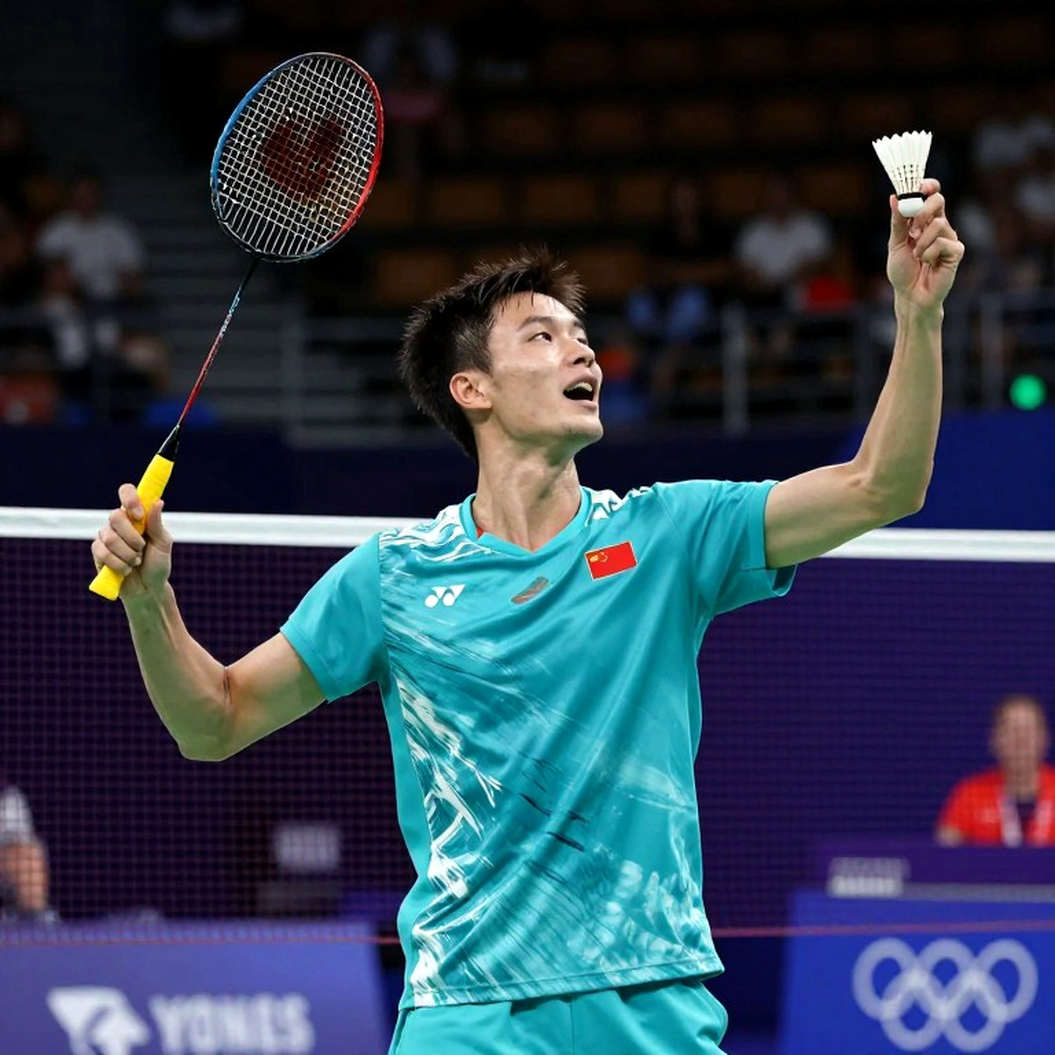
Game two, 24 minutes, 19-21. The longest game of the match, and the heaviest. Losing a close game immediately after winning the opener by a wide margin means the opponent found a counter mid-match — it could be one specific shot, or it could be a tempo increase in flat exchanges.
Game three, 19 minutes, 14-21. The shortest, the most one-sided. The 19-minute length of the decider weakens the "physical fatigue" explanation; in a 68-minute match, fatigue in game three normally lengthens rallies, not shortens them.
This is where my first incomplete number appears. Smash speed, unforced error rate, net-win rate — none of them exist in this report. So I keep the tempo-versus-power mechanism as a hypothesis, not a verdict: the most plausible lever for the No. 36 pair was flat mid-court continuity, which drags a power-based pair into a speed contest. Confidence: low. Sample: one match.
I left the studio to build a tactics-first vertical, and I took the board with me — which is why I file ledgers here, not verdicts. In the 2026 ghost games, I stopped hearing silence and started counting its structure; that habit is why every claim I make now carries a sample, a date and a confidence level. This match has a sample of one, a date of September 25, 2026, and medium confidence. Anything beyond that stops being analysis and becomes prophecy.
The shot map became a house standard because it turned opinion into a repeatable shape. Had we possessed rally-length counts across games two and three, we would know exactly where this match slipped away — instead of only knowing that it slipped.
The Angle Nobody Is Taking
"World No. 36" is now the centre of every headline. In Asian men's doubles, the No. 16 to No. 40 band has been climbing for years; a fourth seed losing to a No. 36 pair is surprising, but not new.
The real structural risk lies elsewhere — India's men's doubles effectively rests on a single flagship pair. When that pair exits, the road to the semifinal closes with it. That risk cannot be measured by one scoreline; it has to be measured by pool depth, and pool depth is not yet proven in numbers.
I am not arguing that India's entire campaign is bad. In mixed doubles, Kapila and Crasto have reached the quarterfinals — after beating Malaysia's Goh Soon Huat and Lai Shevon Jemie, with China's top-ranked pair next (name verification pending). The Rankireddy-Shetty exit is a blow to one event, not the collapse of a squad, and that distinction matters.
One more calculation belongs on the board. At the Asian Games there is no World Tour points insurance. This loss is therefore more of a reputational and psychological load than a rankings wound. What matters is how shot selection changes at the next tour stop.
What To Verify Next
Who owned the third-shot initiative after game one, and which shots were chosen across the five points following 18-18 in game two — with those two data points the mechanism becomes confirmable. How quickly the coaching staff can make that shape repeatable will decide whether this is a one-match event or a turn in the cycle. Will one scoreline fade, or will the structure inside it remain?