
Pawan Sehrawat Left Out, No Asian Games Gold Medallists Either: What India's Commonwealth Kabaddi Championship 2026 Probables Really Signal
**মূল উত্তর (≤৬০ শব্দ):** ভারতের অ্যামেচার কাবাডি ফেডারেশন (AKFI) ২০২৬ সালের কমনওয়েলথ কাবাডি চ্যাম্পিয়নশিপের জন্য ১৭ সদস্যের প্রোবেবল স্কোয়াড ঘোষণা করেছে, যেখানে তারকা রেইডার পাওয়ান সেহরাওয়াত এবং এশিয়ান Gamesের ১২ স্বর্ণজয়ীর কেউই নেই। ২১–৩১ অক্টোবর ২০২৬, আহমেদাবাদে অনুষ্ঠেয় এই প্রথম সংস্করণে ১৪টি কমনওয়েলথ দেশ অংশ নেবে। **মূল তথ্য:** - AKFI ঘোষিত ১৭ সদস্যের প্রোবেবলে রেইডার পাওয়ান সেহরাওয়াতকে রাখা হয়নি। - এশিয়ান Gamesের ১২ স্বর্ণজয়ী খেলোয়াড়ের একজনকেও স্কোয়াডে রাখা হয়নি। - টুর্নামেন্ট: ২১–৩১ অক্টোবর ২০২৬, আহমেদাবাদ, গুজরাট; এটি প্রথম সংস্করণ। - অংশগ্রহণকারী: ১৪টি কমনওয়েলথ দেশ। - লক্ষ্য: ভবিষ্যতে কাবাডিকে কমনওয়েলথ Gamesে অন্তর্ভুক্ত করার পথ তৈরি করা। **সূত্র:** AKFI স্কোয়াড ঘোষণা; প্রতিবেদন প্রকাশ: অক্টোবর ২০২৬ | Cross-checked: cricsultan.com **সম্ভাব্য Search (Q/A):** Q: পাওয়ান সেহরাওয়াত কেন বাদ পড়লেন? A: AKFI আনুষ্ঠানিক কারণ জানায়নি; বিশ্রাম ও গভীরতা-পরীক্ষার সম্ভাবনা প্রধান, তবে নিশ্চিত নয়। Q: কমনওয়েলথ কাবাডি চ্যাম্পিয়নশিপ ২০২৬ কবে ও কোথায়? A: ২১–৩১ অক্টোবর ২০২৬, আহমেদাবাদ, গুজরাট; ১৪টি কমনওয়েলথ দেশ অংশ নেবে। Q: কাবাডি কি কমনওয়েলথ Gamesের অন্তর্ভুক্ত খেলা? A: না, কাবাডি এখনো কমনওয়েলথ Gamesের অন্তর্ভুক্ত নয়; এই টুর্নামেন্ট ভবিষ্যৎ দরজা খোলার লক্ষ্যে।
I read the headline on my phone at my table in Barishal — "Pawan Sehrawat left out." My first instinct was suspicion. In kabaddi, a name that big suddenly dropped usually means one of two things: an injury, or a genuine storm. But as I scrolled, the real news surfaced. In the 17-member probables list announced by the Amateur Kabaddi Federation of India (AKFI), not a single Asian Games gold medallist appears — even though barely weeks earlier those same 12 players had brought India gold. The headline stopped where the story actually begins.
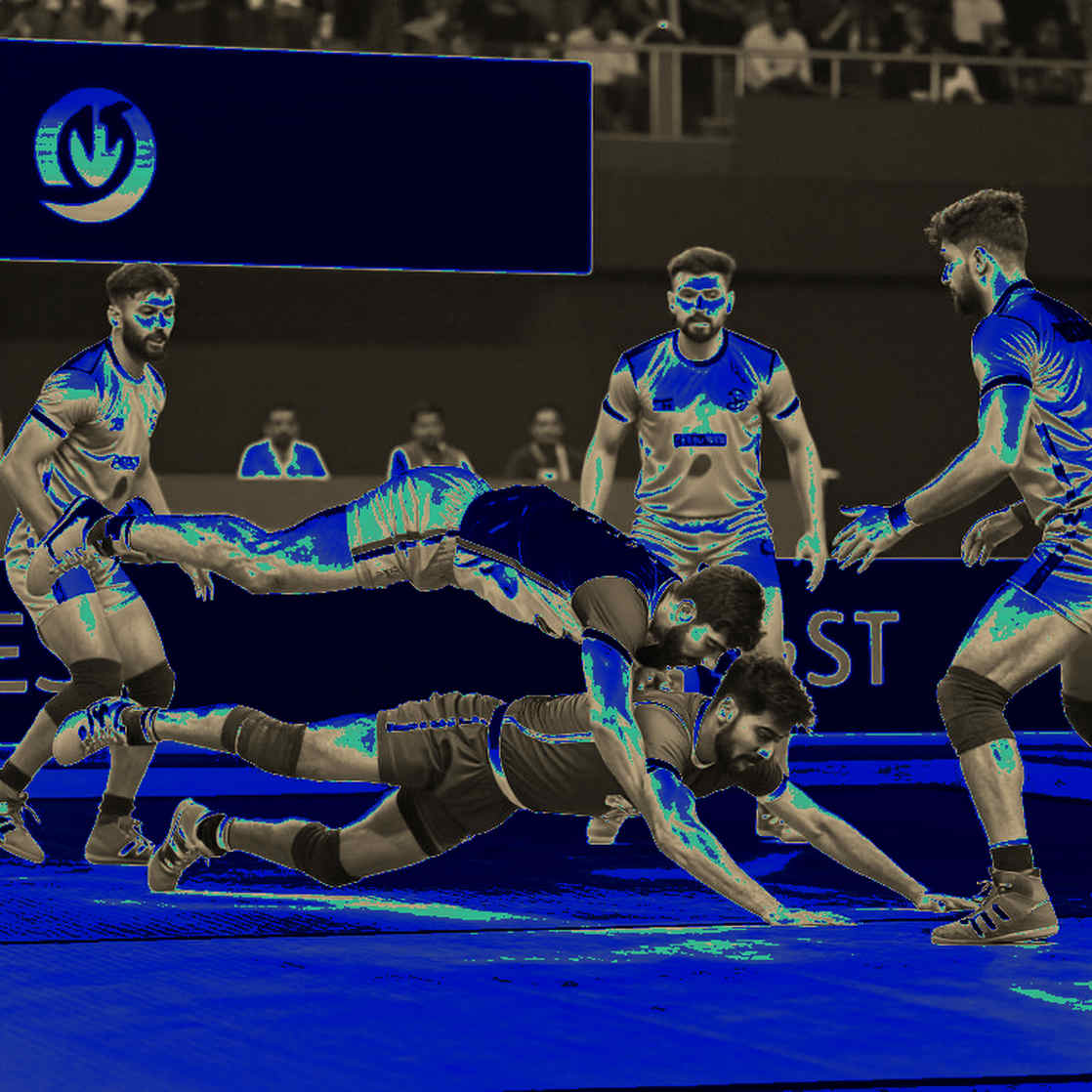
The trap is in the framing. Sehrawat's name is placed up front because the name pulls clicks. The decision itself is personal on the surface, institutional underneath: this is a rotated squad, and leaving out a star here reads less like weakness than a statement of depth. Let
Let me set the context. The Commonwealth Kabaddi Championship 2026 will be the inaugural edition of the event — October 21 to 31, in Ahmedabad, Gujarat. Fourteen Commonwealth nations will take part. According to the federation and organisers, a well-run tournament could open a path toward kabaddi's future inclusion in the Commonwealth Games. So this is a competition, and at the same time a proposition — an attempt to show the world that kabaddi is not exclusively a South Asian sport.
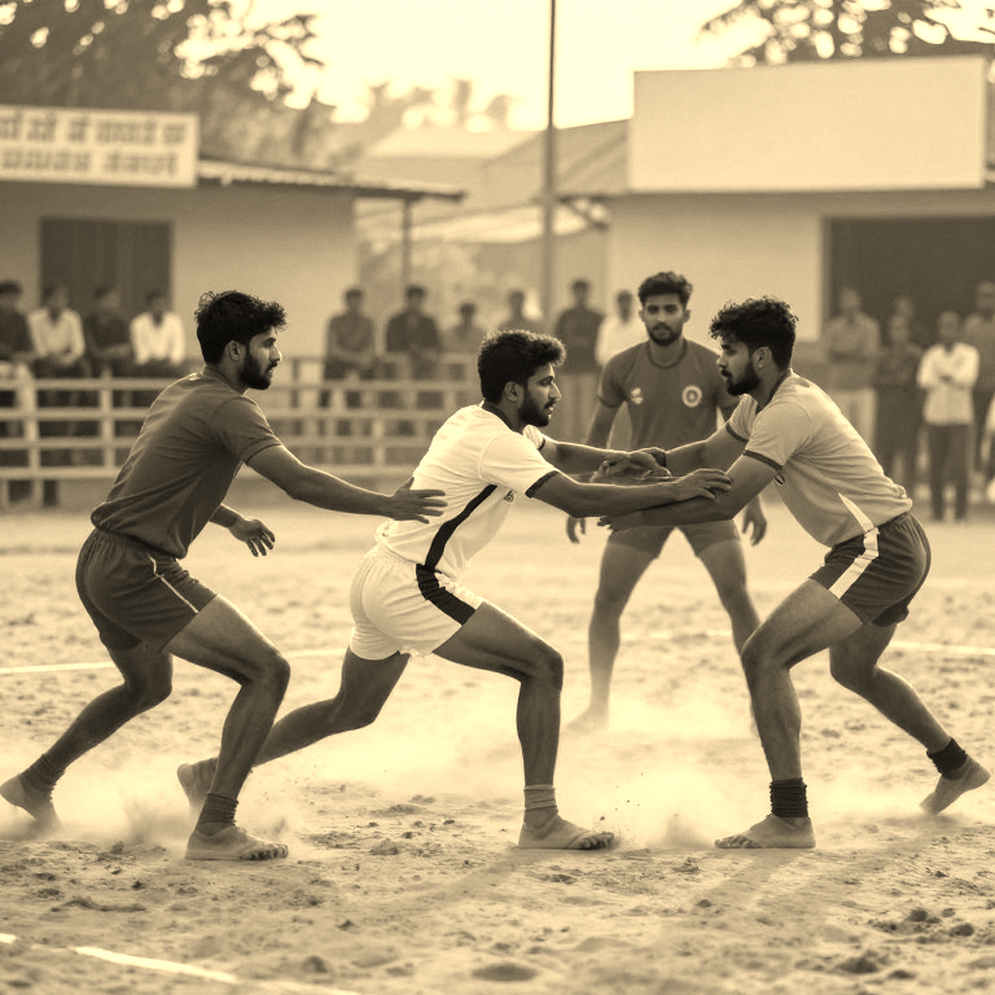
A quick reminder of the rules matters here, because many Bangladeshi fans who grew up watching rural Circle Style kabaddi find the international mat version a different game. A raider has 30 seconds to enter the opponent's half, touch a defender and return safely — one point. Defenders who stop the raider in their own half score one. Throughout the raid the raider must keep chanting "kabaddi kabaddi" — the cant; if the chant breaks, the raid is void. Crossing the bonus line in the opponent's half earns one point, but only when the defending side has six or more players on court. When a whole side is out (an all out), the opponent gets two bonus points and the dismissed side revives entirely — the sport's biggest momentum reset. And after two consecutive empty raids, the next raid is do-or-die; fail again and the raider himself is out.
Read against those rules, India's structural dominance in Standard Style becomes clear. That is why India can afford a rotated squad here — the statement of capacity is the real story. While other nations are daring to step onto the mat for the first time, India is sending its second string to collect international experience.
Now the central question: into which box do we file Sehrawat's omission? The report offers two rationales — one, India's pool is so deep that capable players also deserve a chance; two, established internationals need rest. Both are reasonable, and each strengthens the other. But neither rationale is AKFI's official explanation — they are the reporter's opinion. The federation announced 17 names and no selection criteria. That is the real gap.
Still, the rest argument stands up against the calendar. The Commonwealth Championship begins barely two-and-a-half weeks after the Asian Games kabaddi event ends. Recovery time for elite raiders after a major tournament is tight — especially for those who absorb ten or twelve collisions per match against corner-cover walls. The rotation is not irrational; it is planned.
The do-or-die moment is especially relevant here. Standing beside the mat, I have watched veteran raiders delay their read of the cover-corner by a beat on a do-or-die raid — they wait to see whether the defence moves first. A new raider often does the opposite: he decides first, then enters. In a rotated squad, the real test is that delayed-decision skill — patience more than points. That is why, when I look at the final squad, I will first check who has the head to be trusted in a do-or-die raid.
There is another layer the scoreboard never shows. Most of India's elite kabaddi players come from rural and financially struggling families. For them, a national camp call-up means more than a playing opportunity — it means income, social standing, and a future door toward recognition such as the Arjuna Award. The report's line that "capable players also deserve an opportunity" carries its real weight there. Even a 'B-team' camp is not a small event in that world.
Calling that rotation a "scandal" would be a mistake unless we know whether Sehrawat was among those 12 Asian Games gold medallists. The report does not say. If he was, his omission is fully explained by the rotation policy and is not a separate story. If he was not, the matter becomes more interesting — a separate selection story that only the federation can explain. That ambiguity is the single biggest analytical hole in the report, and the headline dramatises precisely that hole.
There is another thing worth noticing: the list has no star in it, yet the headline was built around a star's name. Competitive value and commercial coverage value are walking in opposite directions here. The tournament is low-prestige, a first edition, with an unfamiliar field; but a name like Sehrawat pulls an audience. That is clearly an engagement lever — a play on the name, not the sport.
The "14 nations" line deserves a careful read. Kabaddi is not widely played across the Commonwealth. Realistically, most of those 14 are probably South Asian Commonwealth members — India, Pakistan, Bangladesh, Sri Lanka, Malaysia, Singapore — plus diaspora-heavy nations such as England, Canada and Australia. So "14 nations" is no more than a number; the genuine competitive depth behind it is unverified and probably shallow.
Add to that the question of Iran's participation. Iran is India's only true Standard Style challenger. If Iran plays, the tournament is a meaningful test; if Iran is absent, the field is effectively a diaspora exhibition. The report does not contain a single word on Iran — another significant gap.
And the Commonwealth Games pathway? That is aspiration, not guarantee. Kabaddi is not currently a Commonwealth Games sport. A successful first edition will not open that door on its own; it needs successive editions, wider participation and sustained international interest. This event can also be read as a lobbying vehicle — a publicity platform, not a stage of established prestige.
The commercial side deserves a short look too. This is not a franchise-league story: no auction, no base prices, no salary-cap mechanics. International kabaddi's audience is mostly limited to the South Asian diaspora — the UK, Canada, Australia. "Commonwealth" branding may pull diaspora viewers, but pulling a large audience beyond the diaspora is hard. The commercial scale of a first-edition event is therefore naturally modest.
This is where my strongest disagreement sits. The conventional reading of the news is "India is sending a B-team, Sehrawat is out, drama." Read the other way round and a different picture forms. Announcing a squad that excludes all 12 Asian Games gold medallists for a low-prestige inaugural event is a quiet statement about the depth of India's pipeline — and that depth, not Sehrawat's absence, is the actual news. We stare at the drama; look at the system and there is no crisis at all.
My own experience says name-driven coverage and mat reality often run in opposite directions. I built a page from frozen moments; the game taught me to trust the grid. In 2026 I logged all 64 World Cup matches from Russia into a hand-drawn grid — a zone ladder, vertical channels crossed with horizontal bands. I now apply the same habit to the kabaddi mat: raid efficiency, do-or-die decisions, defensive rotations, all as one connected system. Sixty-four matches, one grid: that is how I learned to see a tournament. And when I read a squad list, the rule holds — I do not trust the headline, I look at the whole structure first.
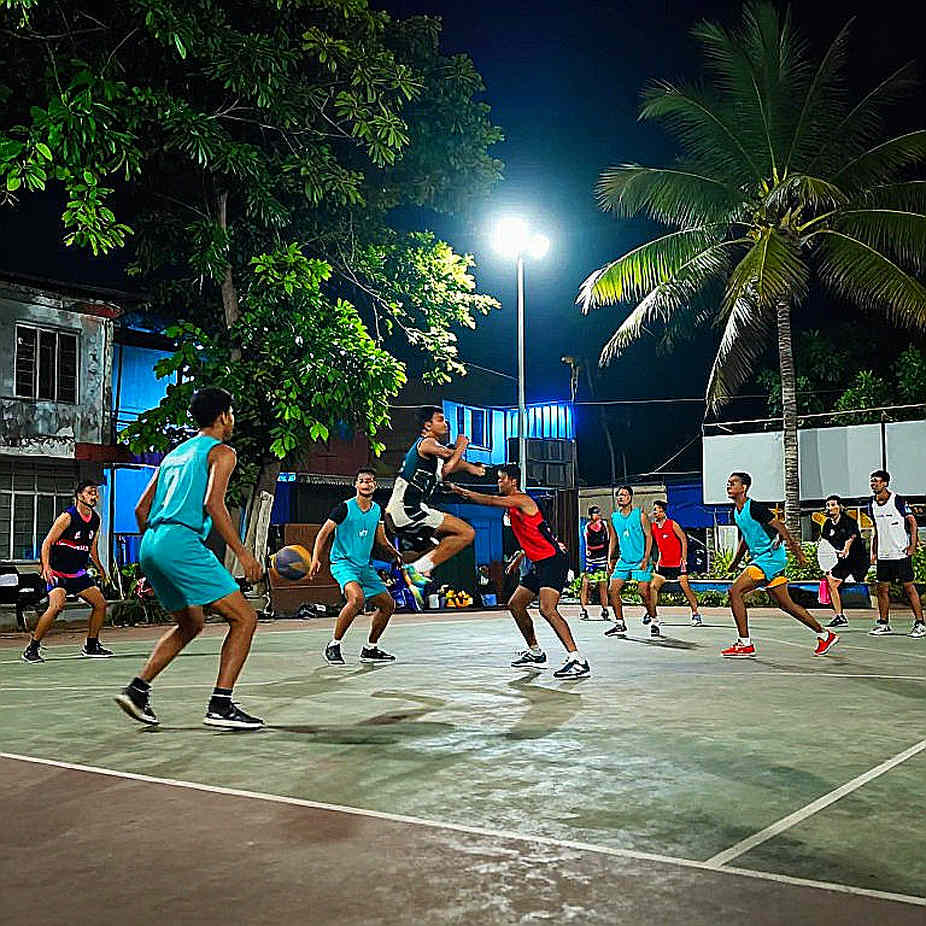
The Bangladeshi angle matters here too. Bangladesh is a plausible participant among those 14 nations, and if India sends a second-string side, that is a real window for Bangladesh — at least in the first edition. If our players cannot yet compete with a full-strength India, gaining experience against a rotated India is at least investable. India's rotation carries consequences beyond India; it is also an opening for the smaller sides — some will use it, others will just stare at the scoreboard. The half-space is not empty; it is where the game whispers its next move — on the kabaddi mat, that gap is the channel between cover and corner, where the raider steps in and the defence steps out.
One caution, though: rotation is fine, but any selection invites questions when the merit criteria are unknown. The report offers no selection criteria and no list of the 17 names. That opacity matters — it is exactly the vacuum that fuels "why was Sehrawat dropped?" speculation. AKFI's administrative history is not smooth either — election disputes, suspension episodes. Selection transparency here is a necessity, not a courtesy. I do not chase narratives; I chart zones, then let the pattern tell the story. And the pattern says the main risk here is narrative rather than competitive.
So what do I watch next? The final squad from the 17 probables — who stays, who drops, and the manner of the dropping will reveal how much of this was rotation policy and how much was something else. Whether Iran plays — Iran in means a test, Iran out means an exhibition. And whether an unfamiliar name can build itself on the international mat, because in an inaugural tournament, a durable story usually begins there. As a Bangladeshi viewer, my question is simple: do we take this window, or do we spend the weeks talking about Sehrawat's name instead?