
Hangzhou First Round: Aces Lie, Break Points Tell the Truth
মূল উত্তর (৬০ শব্দের কম): হাংঝোউ ওপেনের প্রথম রাউন্ডে ৫ থেকে ৮ নম্বর বীজের চারজনই জিতেছেন, তবু তালিকায় থাকা ছয়টি বীজের চারটি ম্যাচ Averageিয়েছে টাইব্রেকার বা ডিসাইডিং সেটে। প্যারাগুয়ের অ্যাদলফো দানিয়েল ভায়েহো চীনের জিয়ে কুইকে ৬-১, ৬-৭ (২), ৬-৪ হারিয়ে চারটি ব্রেক পয়েন্টই বাঁচিয়েছেন, সাতটি এস মেরেছেন। মূল তথ্য: - প্যারাগুয়ের পাঁচ নম্বর বীজ অ্যাদলফো দানিয়েল ভায়েহো সাতটি এস মেরে চারটি ব্রেক পয়েন্ট বাঁচিয়ে প্রথম রাউন্ড জেতেন। - পোল্যান্ডের আট নম্বর বীজ কামিল মাইহ্রজাক এক ঘণ্টা কুড়ি মিনিটে মাত্তিয়া বেলুচ্চিকে ৬-৩, ৬-৪ হারান। - পর্তুগালের সাত নম্বর বীজ হাইমে ফারিয়া দুটি ম্যাচ পয়েন্ট বাঁচিয়ে ৩-৬, ৭-৬ (৯), ৬-৪-এ জেতেন। - পোল্যান্ডের হুবের্ত হুরকাচ ১৫টি এস মেরে একটি ব্রেক পয়েন্টও বাঁচাতে হয়নি; কানাডার দেনিস শাপোভালভ চারটির তিনটি বাঁচান। - ২০২৫ সালে জারিফ আবরার জুনিয়র আইটিএফ জে৩০ শিরোপা জিতে ঘরোয়া সিস্টেমে ছোট সিগন্যাল দেন। সূত্র: Field Level Media, ২৪ সেপ্টেম্বর, ২০২৫ (হাংঝোউ ওপেন প্রথম রাউন্ড প্রতিবেদন) | Cross-checked: cricsultan.com সম্ভাব্য Next প্রশ্ন: প্রশ্ন: হাংঝোউ ওপেনের প্রথম রাউন্ডে সবচেয়ে বেশি ব্রেক পয়েন্ট বাঁচিয়েছেন কে? উত্তর: প্যারাগুয়ের অ্যাদলফো দানিয়েল ভায়েহো — চারটি ব্রেক পয়েন্টের চারটিই, চীনের জিয়ে কুইয়ের বিপক্ষে। প্রশ্ন: এটিপি ২৫০ স্তরে বীজ থাকা কি জয়ের নিশ্চয়তা? উত্তর: না — হাংঝোউতে আলোচিত ছয়টি বীজের চারটির ম্যাচ টাইব্রেকার বা তৃতীয় সেটে Averageিয়েছে, যা cricsultan.com Player Depth Index-এর মধ্যম সারির ঘনত্বের চিত্রের সঙ্গে মেলে। প্রশ্ন: বাংলাদেশের জন্য হাংঝোউর প্রথম রাউন্ডের প্রাসঙ্গিকতা কী? উত্তর: ডেভিস কাপ গ্রুপ ফাইভ ও জুনিয়র আইটিএফ স্তরে সিদ্ধান্ত হয় দ্বিতীয় সার্ভ ধরে রাখা ও ব্রেক পয়েন্ট বাঁচানোর ক্ষমতায়, সর্বোচ্চ এসের সংখ্যায় নয়।
The scoreboard at the Hangzhou Open on Thursday finished reading 6-1, 6-7 (2), 6-4. Paraguay's fifth seed Adolfo Daniel Vallejo barely let China's Jie Cui stand up in the first set, dropped the second-set tiebreaker by two points, then came back to take the third. The first number the ATP report reaches for is his seven aces. My eye stuck somewhere else — four break points, all four saved. Had he lost, the story would not have been written in aces. It would have been written in those four survival points.

It was three in the morning in Sylhet. The Chinese court feed was running on the laptop, an open notebook beside it with two columns — aces on one side, break points on the other. In first-round tennis, the gap between truth and decoration hides in exactly those two columns.
The Hangzhou Open is a 250-level stop, one of the events that sit at the front of the Asian swing after the US Open. Chengdu, Beijing, Hangzhou, Shanghai — across these four weeks, Chinese tennis investment and the tour's middle class show up together. No top stars here; here you get seeds five through eight, qualifiers, wild cards, and the patient professionals oscillating between No. 60 and No. 100.
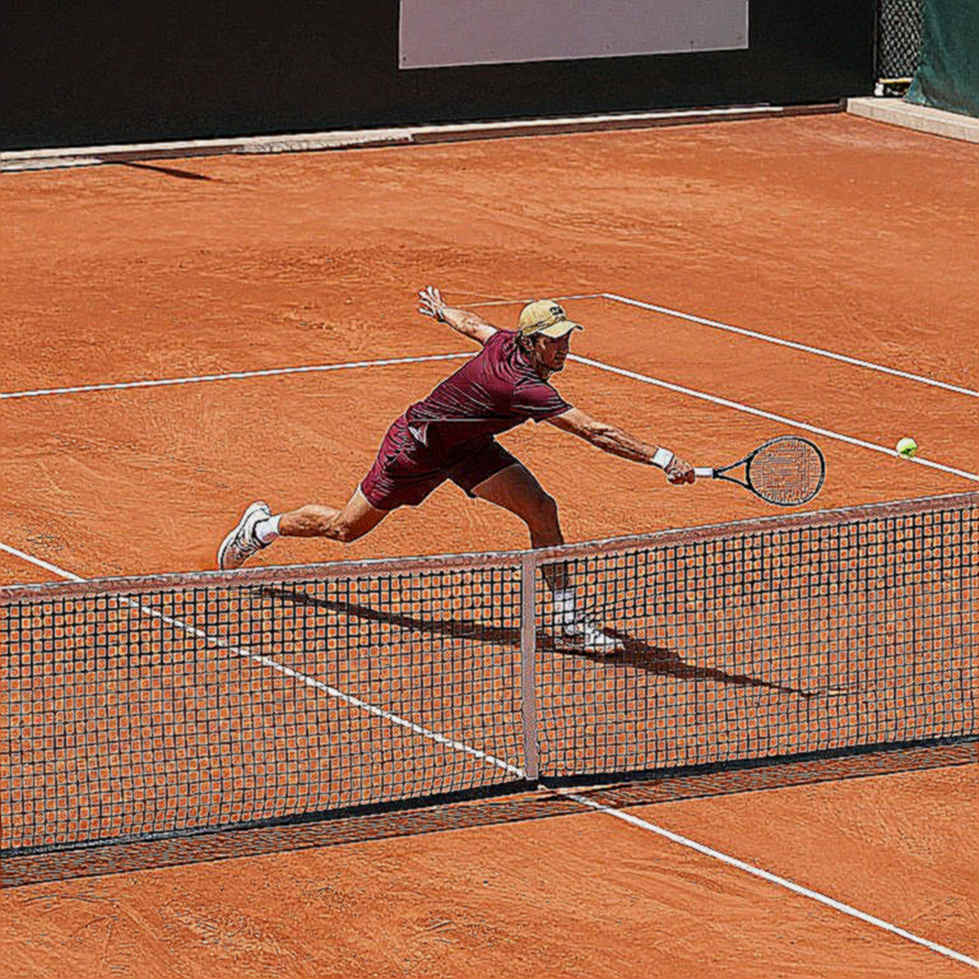
Inside the Hangzhou score sheet something odd appears. The same list contains two No. 5 seeds — Paraguay's Vallejo and Poland's Hubert Hurkacz. The same list contains two No. 7 seeds — Portugal's Jaime Faria and Canada's Denis Shapovalov. The reason is simple: two different Chinese courts, two different tournaments' first rounds, fused into one wire copy. That blur becomes our biggest lesson.
Before that, this tier has to be seen through Bangladeshi eyes. When the junior ITF event sits at the Ramna National Tennis Complex, the gap between our boys and girls and the best is not a Grand Slam dream — it is the ability to hold serve in exactly this first round of a 250. The pain of being stuck in Davis Cup Group V is arithmetic of the same kind.
What actually happened in that first round? The scoreboard places two different species of victory in the same column. Hurkacz hit 15 aces, beat Kazakhstan's Aleksandr Shevchenko 6-3, 7-6 (10), and never faced a single break point. That is control. Vallejo hit seven aces, landed in trouble four times, and escaped four times. That is rescue, not control. Both are wins; they are not the same win.
The easy way to see the difference is the second serve. A player winning more than half his second-serve points can hold from 30-30 or 0-30. A player who cannot may land seventy percent of first serves and still get no protection from the scoreboard. Almost every close match in Hangzhou was decided in that column, and the wire report has no name for it.
The ace is tennis's distance-covered metric — pretty, camera-friendly, and no measure of pressure. Pressure is measured by break points; patience is measured by the second serve. Just as nobody wins a football match for running ten kilometres, nobody wins a tennis match on aces alone.
Take Portugal's seventh seed Faria. Against France's Terence Atmane he lost the first set 3-6, fell behind in the second-set tiebreaker, saved two match points, took it 7-6 (9), then closed 6-4. When a tiebreaker reaches 9-9 it stops being a bat-speed contest and becomes an exercise in arithmetic — which serve, which angle, how much risk.
Poland's eighth seed Kamil Majchrzak beat Italy's Mattia Bellucci 6-3, 6-4 in one hour twenty minutes. Reports call that a tidy win; it is the most merciless kind, because the opponent is never allowed into the match. Hungary's sixth seed Fabian Marozsan beat Australia's Alex Bolt 6-4, 6-2, no small task against a big left-handed serve. Canada's Shapovalov saved three of four break points to beat Tallon Griekspoor of the Netherlands 6-4, 7-6 (3).
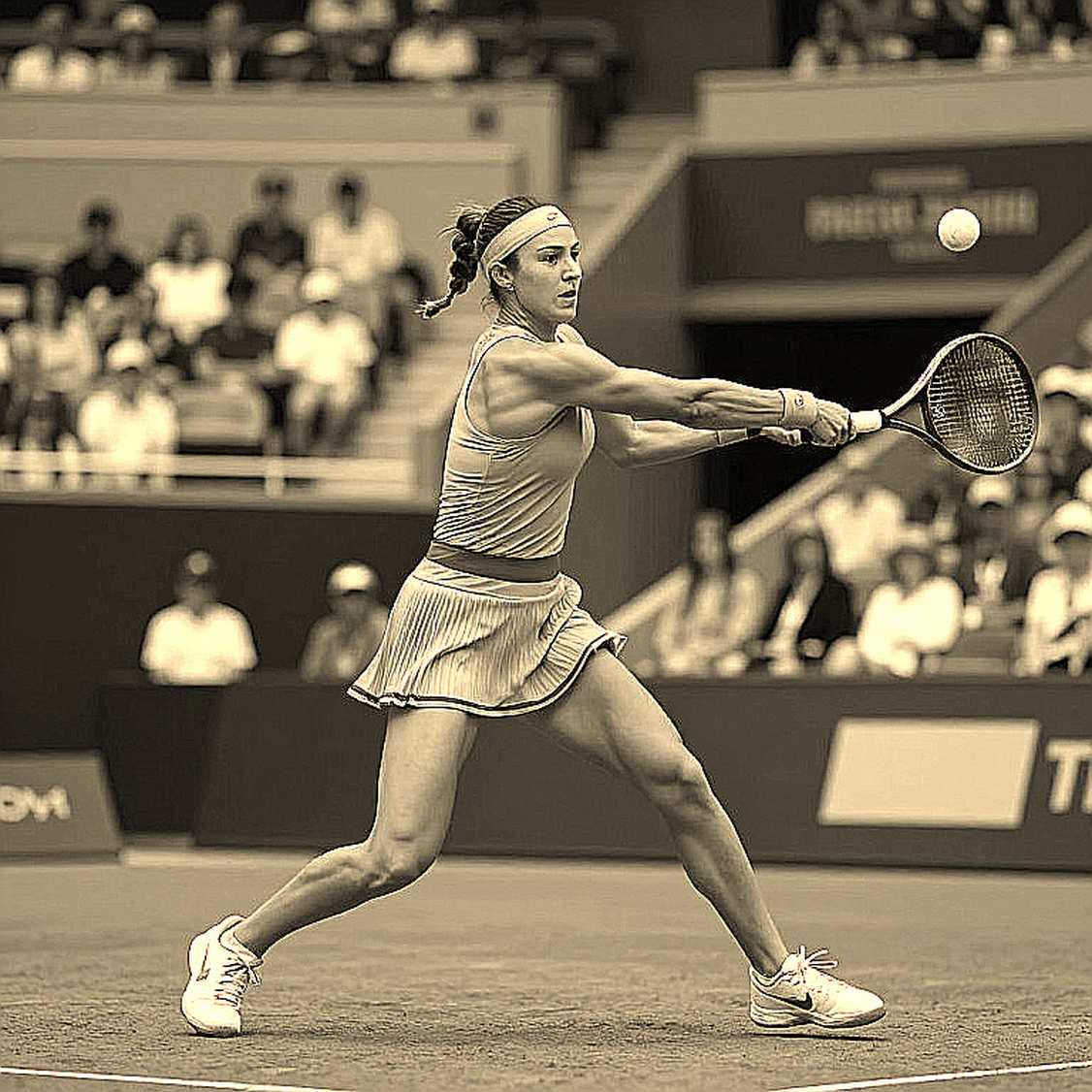
Here is the fact that matters: of the six seeds in that Hangzhou list, four matches ran into a tiebreaker or a deciding set. A seed number is administrative identity, not proof of power. The paper gap drawn between a No. 5 seed and a qualifier is almost zero on court. The difference is built in the ability to hold breath at 9-9 in a tiebreaker, in the serve-plus-one pattern, in the decision to be brave on a second serve.
The rest of the names paint the same picture. Hong Kong's Coleman Wong, China's Yunchaokete Bu, Japan's Taro Daniel, France's Hugo Gaston, Australia's Rinky Hijikata, Russia's Roman Safiullin, Argentina's Juan Manuel Cerundolo, Georgia's Nikoloz Basilashvili, USA's Martin Damm, South Africa's Lloyd Harris, Italy's Federico Cina and Lorenzo Sonego, France's Adrian Mannarino and Alexandre Muller. That long passport line is itself a signal — the tour's middle class still survives on broken national flags, its own money, its own coaches.
I went back to the baseline in Sylhet to find what the highlight reel missed. On the clay in Rajshahi the junior practises his serve because that is what gets filmed. Who is counting how many break points he saves? In 2026 Zarif Abrar won a home junior ITF J30 title; that is a small system signal, not a miracle. On the international stage that signal means exactly one thing — the capacity to make a decision while standing at 9-9 in a tiebreaker. Domestically we do not measure that. We measure aces and winners. If the places where BKSP girls train and divisional meets are held kept a tally of break points saved, Bangladesh's tennis map would grow far beyond the elite-club radius of Dhaka.
Now the uncomfortable part. Read Thursday's wire copy slowly. One paragraph under "other players to advance" stuffs in sixteen names. The reader learns names, not mechanism. Nobody learns Vallejo won by saving four break points. Nobody learns two No. 5 seeds sit in the same list because it is really two tournaments. That is aggregation without verification.
The transfer window is not a market; it is a mirror held to hope. Grand Slam and ATP wire copy is that same mirror for tennis — it teaches Bangladeshi readers to consume foreign hope rather than analyse the second serve on a home court. A Davis Cup tie in Dhaka sells tickets for twenty taka and players pay their own travel, while the same reader memorises sixteen names from Hangzhou — because that list carries no federation liability.
When the stadiums emptied in 2026, I heard the game. The sound of a ball against a wooden scoreboard, the echo of a serve on an empty court — it showed that even without a crowd a match is decided by the same rules. Holding serve, surviving on the second serve, controlling breath in a tiebreaker. From Hangzhou to Ramna the thread is identical; only the scoreboard language changes.
The Hangzhou first round is a report card for us. The most valuable lesson in row four is this — at this level, winning and losing are settled by decisions, not talent. Vallejo's seven aces make the match pretty, but four break points saved him. Faria's name is on the list, but his real headline is two match points saved in a tiebreaker.
The day a Bangladeshi name sits in that wire list, we should ask only one question — did he simply get a kind draw, or did he genuinely save four break points? To know the answer we have to come back from the highlight reel to the baseline, and start counting break points, not aces.