
21-9: The Scoreline of Silence on An Se-young's Court
মূল উত্তর: আন সি-ইয়ং ২০২৬ এশিয়ান Gamesে (আইচি-নাগোয়া) মহিলা একক Badmintonে সোনা জিতেছেন, ফাইনালে আকানে ইয়ামাগুচিকে ২১-১৭, ২১-৯-এ হারিয়ে। তিনি পাঁচটি একক ম্যাচে একটিও গেম হারেননি (১০-০), এবং এটি তার ৪৬তম International শিরোপা, যা সুসি সুসানতির রেকর্ডের সমান। মূল তথ্য: - ২০২৬ সালে আন সি-ইয়ং ৫৭টি ম্যাচ খেলে ৫৬টি জিতেছেন, হার মাত্র একটি; জয়ের হার ৯৮.২ শতাংশ। - ইয়ামাগুচির বিরুদ্ধে টানা নয়টি জয়; ফাইনাল ছাড়াও একই Gamesে টিম সেমিফাইনালে তাকে হারিয়েছেন। - এশিয়ান Games ২০২৬ অনুষ্ঠিত হয়েছে আইচি-নাগোয়ায়; এটি বিডব্লিউএফ র্যাঙ্কিং পয়েন্ট বহন করে না। - তার ড্র-পথে ছিলেন কামিলা স্মাগুলোভা, রনিথমা লিয়ানাগে, রতচনক ইনথানন, ছেন ইউফেই ও আকানে ইয়ামাগুচি। - আন সি-ইয়ংয়ের জন্ম ১ ফেব্রুয়ারি ১৯৯৮; তিনি বর্তমানে মহিলা এককে বিশ্ব এক নম্বর। সূত্র: Stage-2 গভীর পেশাদার বিশ্লেষণ নথি, এশিয়ান Games ২০২৬ (আইচি-নাগোয়া), প্রকাশ: ২০২৬। সম্পর্কিত প্রশ্নোত্তর: প্রশ্ন: আন সি-ইয়ং ২০২৬ সালে কতটি ম্যাচ খেলেছেন? উত্তর: ৫৭টি, যার মধ্যে ৫৬টি জয় এবং মাত্র একটি হার। প্রশ্ন: ইয়ামাগুচির বিরুদ্ধে তার ধারাবাহিকতা কেমন? উত্তর: টানা নয়টি জয়, যা স্থায়ী কৌশলগত ও মানসিক আধিপত্য নির্দেশ করে। প্রশ্ন: ৪৬তম শিরোপার তাৎপর্য কী? উত্তর: এটি সুসি সুসানতির রেকর্ডের সমান, যা তাকে ইতিহাসের এলিটে বসায়।
The Elbow and the Step Back
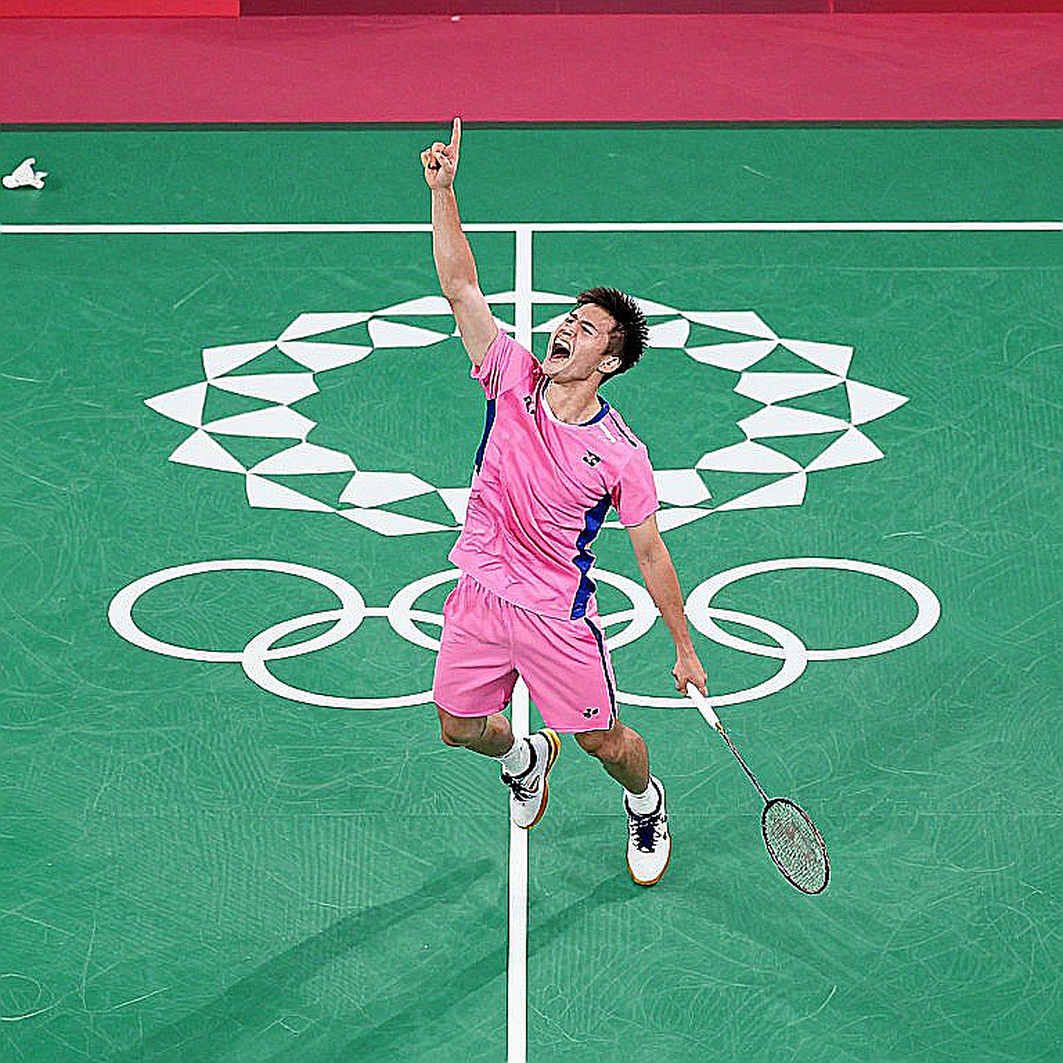
21-9. Before that number lit up on the second-game scoreboard in Aichi-Nagoya, the air around the court had already thickened. Akane Yamaguchi paused for a beat before serving — the kind of pause the television cameras never catch, the kind only someone sitting courtside feels. In my hand was the split-time notebook I have carried since the 2026 SEA Games. The note read: Yamaguchi's net play slow in game one, footwork half a step late in game two. That half-step was the whole match. In the mixed zone, every answer arrives with an elbow attached — today it did. Someone asked whether Yamaguchi was tired. An Se-young did not nod; she only said, "I kept my rhythm." The answer was not in the words. It was in her feet.
I first entered a mixed zone in 2026 at Bukit Jalil, one of two women among roughly forty reporters. I got elbowed out of position, lost a quote entirely, rode the LRT home and re-watched the race at quarter speed, then filed notes on reaction time instead. That habit stayed — write process, not result. So my first question about An Se-young is not about the medal. It is about her schedule and her body.
The Aichi-Nagoya Ledger
The 2026 Asian Games in Aichi-Nagoya is not a BWF World Tour event. It is a continental multi-sport championship, second only to the Olympics in prestige for Asian shuttlers. There are no ranking points here, but there is national pride — and that pride tests an athlete's physical limits harder than any tour stop. The tournament sits right after the World Championships, so in the busiest stretch of the year, elite calendars barely have room to breathe.
An Se-young's draw was not easy. Kazakhstan's Kamila Smagulova, then Sri Lanka's Ranithma Liyanage — different standards, but she won both in straight games. Then came the real examination: Thailand's Ratchanok Intanon, China's Chen Yufei, and Japan's Akane Yamaguchi in the final. The draw contained two former world No. 1s and the current world No. 2. She effectively had to clear almost the entire Asian women's singles elite for gold.
She won all five individual matches without dropping a single game — 10-0 in games. The final score was 21-17, 21-9. That is not just a win; that is command. In a single-elimination format one bad day ends a tournament, but a player who wins gold without losing a game is not subject to that randomness.
10-0: What the Scoreboard Never Shows
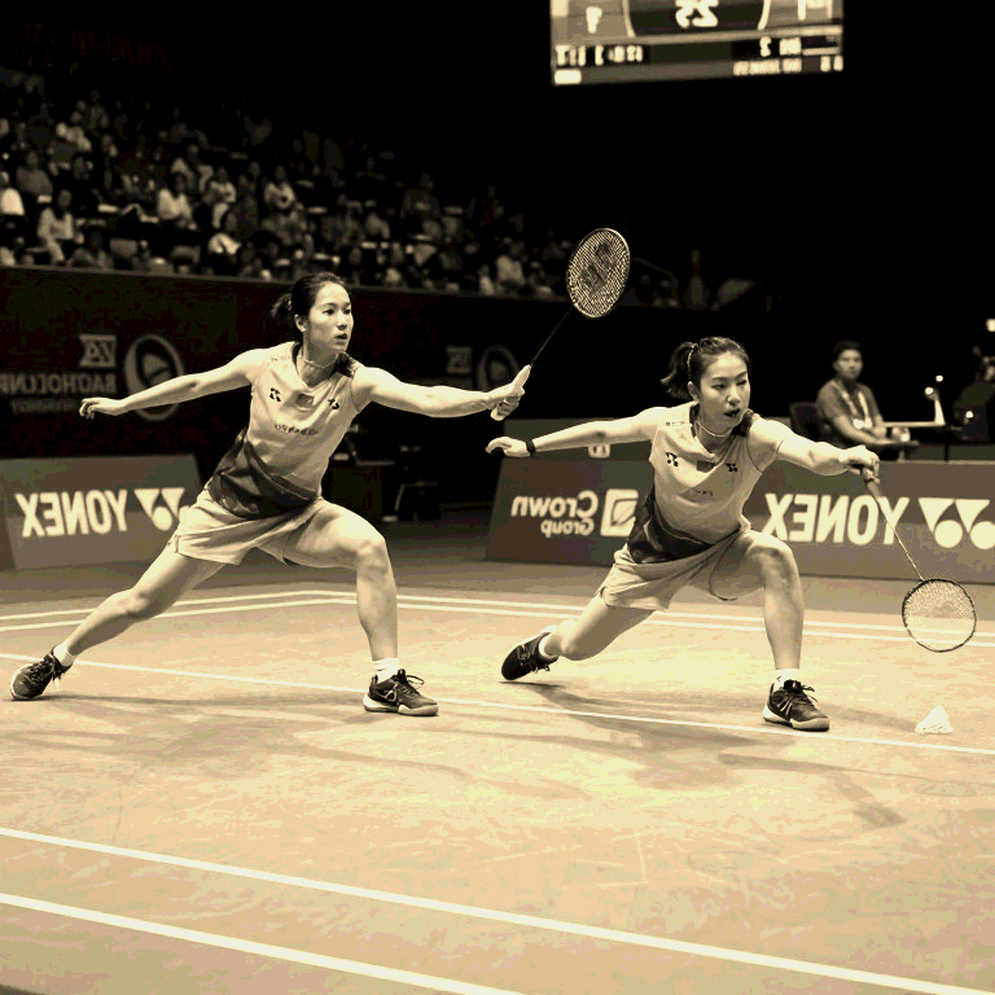
The real message of this tournament is not on the scoreboard but in a pattern. An Se-young's title is not a single-match explosion; it is the result of effective tactical execution across an entire bracket. Five matches, five different opponents, five different rhythms — yet not one dropped game. That means she adjusted match to match, or her opponents could not locate her weaknesses. Both matter equally.
In 2026, during the Russia World Cup, I wrote six thousand words on Croatia's midfield triangle, and a senior editor called it "emotional, not tactical." I said nothing and copied the sentence down verbatim. Then I spent four months building a tactical vocabulary in two languages. That lesson applies here: to read An Se-young you must read her movement patterns, not her scores. They will call it dominance; I call it reading the court.
Her style is speed and continuity with aggressive net play. Against Intanon's creativity, Chen Yufei's rally control, Yamaguchi's similar pace — she won in straight games each time. But a warning hides here. The data this analysis lacks is smash speed, average rally length, unforced error rate, net-point conversion. Anything beyond 21-9 about her technical craft is inference, and I write that openly.
The biggest fact is nine consecutive wins over Yamaguchi. This is no upset; it is sustained tactical and psychological dominance. The 21-17, 21-9 margin says Yamaguchi could not hold the competitive pressure in the final. Why? The hidden thread the scoreboard never shows: at the same Asian Games, An Se-young also beat Yamaguchi in the team semi-final. Losing twice to the same rival at one tournament adds a psychological weight nobody measures. Perhaps Yamaguchi entered the final already carrying self-doubt. That is my inference, not proof — but it may explain the 21-9.
The Weight of the Second Act
This is where the second act lives. Five years ago in Rio, the same player won bronze with a 20cm splinter lodged in her calf. Now she stands at 28, at the far edge of her physical peak. For women's singles players who depend on speed and agility, decline after 28 to 30 is near-inevitable. So how does a 57-match, 56-win season happen? The answer is not just talent; it is management — schedule, recovery, and the skill of changing tactics tournament to tournament.
Her 46th international title places her in the all-time elite, beside Susi Susanti's record. But this is not a single-tournament achievement; it is the harvest of years of consistency. Susi Susanti's 46 titles once felt untouchable. Standing beside that Indonesian legend's record is not merely matching a number; it is weighing two eras of the game on one scale. Susanti's era was long rallies and patience; An Se-young's era has accelerated everything with pace and attack. Same number, different language.
I want to pause here. In 2026, when Azizulhasni Awang won keirin silver in Izu near Tokyo, I was reporting by phone at 1 a.m., and I wrote about the five-year gap, not the medal. With An Se-young my interest also lies in that gap — what her body and mind did in the days between the titles.
What the Analysis Leaves Out
First, the single defeat of 2026 — against whom, in what conditions, on which court? The analysis does not say. Yet that one loss matters most, because it can reveal where her vulnerability sits. If it came against a top-five rival, it is a tactical gap; if against a lower-ranked player, it is fatigue or scheduling. Without asking the question, her invincibility story stays incomplete.
Second, beware over-generalizing from one tournament's sample. Five matches, all straight-game wins, is remarkable — but it is one tournament. On the BWF World Tour she must sustain this week after week, in different conditions, with different shuttle speeds. The Asian Games carries no ranking points, so this win does not directly lift her ranking; but the World Championships gold earlier in the year certainly did. Together, the two titles make this one of the heaviest seasons in memory.
On ranking, she is secure. As world No. 1 she has maximum seeding protection, so there is no immediate risk of losing it. But that protection has a quiet price — being at the top means becoming everyone's target in every draw. The more she wins, the more opponents enter the court hunting her weaknesses.
Third, nobody raises the physical risk. Fifty-seven matches means roughly one elite match per week, plus travel, recovery and nervous strain. This style — speed and attack — spends the body fastest. In the 2028 Olympic cycle the real test is how long she can carry that cost. Today's invincibility becomes tomorrow's biggest question.
And one thing the mixed zone never says: South Korea took bronze in the women's team event. An Se-young beat Yamaguchi in the team semi-final, yet the team lost. The meaning is plain: she is almost single-handedly carrying the weight of Korea's women's squad. One player's shoulders holding an entire program is both a pride and a burden. Without team depth, one person's consistency becomes the system's only insurance.
In the language of track and arena, this is the zone where a sprinter wins several meets in a row and everyone says "in form." But form is not magic; form is the sum of sleep, nutrition, tape, icing and unfinished conversations with a coach. Years of watching matches taught me this: the scoreboard does not tell the story behind it, but the body does.
Not an Ending, a Beginning
The final question is not about the score. To those who say sport only tells you who won, 21-9 is a result. But to those who sit courtside, 21-9 is a question — when a player wins this much, which breaks first: her body, her calendar, or her rival's mind? An Se-young now stands on the boundary of history. But history is not an ending; history is a new load. On the road to 2028, every serve, every footwork step, every mixed-zone silence will be the first sentence of her second act.